Live TV Streaming vs Cable vs Satellite: Which Is Better in 2026?
Live TV Streaming vs Cable vs Satellite: Which Is Better in 2026?
The battle of live tv streaming vs cable has intensified in 2026 as streaming services surpass 50% of US television consumption. With cord-cutting at an all-time high and traditional providers adapting their models, consumers face more choices than ever. Add satellite TV into the mix, and the decision becomes even more complex.

What Is Live TV Streaming?
How It Works
Live TV streaming delivers television content over your internet connection rather than through coaxial cables or satellite dishes. Services like YouTube TV, Hulu + Live TV, and platforms such as Live TV Access use internet protocol (IP) to transmit channels directly to your devices. You watch through apps installed on streaming devices, smart TVs, or mobile phones.
Technical Requirements: Minimum 5-10 Mbps for HD quality, 25-40 Mbps for 4K. Your streaming quality depends on internet stability, not just speed—packet loss and jitter matter as much as raw bandwidth.
Devices You Can Use
The flexibility of streaming shines in device compatibility. Watch on:
-
- Streaming Devices: Fire TV Stick, Roku, Apple TV, Chromecast
-
- Smart TVs: Built-in apps on Samsung, LG, Sony, Vizio models
-
- Mobile Devices: iOS and Android smartphones and tablets
-
- Computers: Web browsers on Windows, Mac, Linux
-
- Gaming Consoles: PlayStation, Xbox (select services)
This versatility means starting a show on your phone during lunch and finishing it on your TV at home—something cable and satellite can’t match without additional equipment.
Subscription Models
Most streaming services operate on monthly no-contract plans, though annual subscriptions often offer 10-20% savings. Pricing in 2026:
-
- Budget Options: Philo ($33/month for 70+ channels), Sling TV ($45+/month)
-
- Mid-Range: YouTube TV ($82.99/month for 100+ channels)
-
- Premium: Hulu + Live TV ($89.99-95/month with on-demand bundle), DIRECTV Stream ($94.99-179.98/month)
Contrarian Insight: The “streaming is cheaper” narrative oversimplifies reality. Subscribing to multiple services quickly matches or exceeds cable costs. A household with Netflix ($15), Disney+ ($11), YouTube TV ($83), and Max ($18) pays $127 monthly—more than many cable packages.
How Cable TV Works
Installation and Equipment
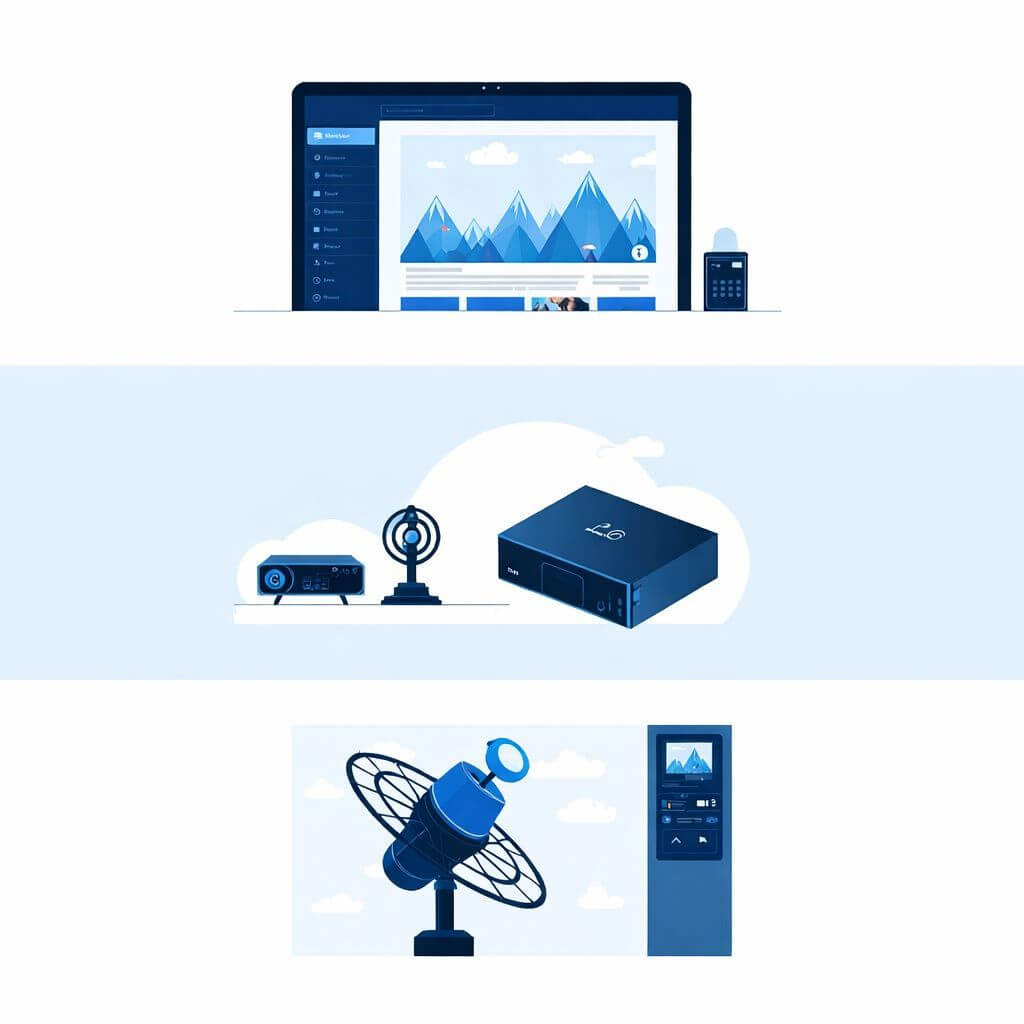
Cable television transmits signals through coaxial cables connected to your home. Installation typically requires:
-
- Professional Technician: Scheduled appointment for cable routing and equipment setup
-
- Set-Top Boxes: One per TV, enabling channel access and DVR functionality
-
- CableCARD Option: Some modern TVs accept CableCARDs, eliminating set-top box rental fees
Installation Timeframe: 2-4 hours for complete home setup, though self-installation kits exist for simpler configurations.
Contracts and Fees
Cable providers typically require 1-2 year contracts with promotional pricing that expires after 12 months. Hidden fees inflate advertised rates by 20-30%:
-
- Broadcast TV Fee: $15-25/month for local channel access
-
- Regional Sports Fee: $10-20/month in markets with professional teams
-
- Equipment Rental: $10-20/month per set-top box and DVR
-
- Installation: $50-100 one-time fee (often “free” with contract)
-
- Early Termination: $10-20 per remaining month if canceled early
Real-World Example: Xfinity advertises “starting at $50/month,” but after broadcast fees ($20), equipment rental ($15), and regional sports fees ($13), your actual monthly bill hits $98 before taxes.
How Satellite TV Works
Equipment Requirements
Satellite television requires more complex hardware than cable or streaming:
-
- Satellite Dish: 18-24 inch dish mounted on roof, exterior wall, or pole
-
- Receivers: Set-top boxes (similar to cable) for each television
-
- Professional Installation: Mandatory for satellite dish alignment and wiring
-
- Clear Line of Sight: Unobstructed view of southern sky (Northern Hemisphere)
Weather Sensitivity: Heavy rain, snow, or dense cloud cover can disrupt signal—a limitation unique to satellite that neither cable nor streaming face.
Coverage Areas
Satellite TV’s primary advantage is geographic reach. DISH and DIRECTV serve virtually all 50 states, including:
-
- Rural Areas: Where cable infrastructure doesn’t exist and internet speeds are insufficient for streaming
-
- Remote Locations: Mountain cabins, farms, and properties beyond cable service boundaries
-
- Nationwide Consistency: Same channel lineup available regardless of location (except local channels vary by DMA)
2026 Pricing:
-
- DISH: $72.99-119.99/month (190+ channels), includes free Hopper 3 DVR, 3-year price guarantee
-
- DIRECTV: $89.99-169.99/month (165-350+ channels), $15/month DVR rental, 2-year price guarantee
Cost Comparison: Streaming vs Cable vs Satellite
Monthly Subscription Costs
Let’s break down real 2026 pricing for comparable service levels:

Live TV Streaming:
-
- Basic (70-100 channels): $33-83/month
-
- Premium (100+ channels + sports): $83-95/month
-
- No additional fees for HD, equipment, or broadcast channels
Cable TV:
-
- Basic (100-200 channels): $50-100/month advertised
-
- Actual cost with fees: $80-150/month
-
- Premium tiers: $150-200/month
Satellite TV:
-
- DISH America’s Top 120: $89.99/month (190+ channels)
-
- DIRECTV Entertainment: $89.99/month (165+ channels)
-
- Add $15-20/month for DVR and regional sports
Equipment and Installation Fees
Streaming:
-
- One-Time: $30-180 for streaming device (Fire TV Stick to Apple TV 4K)
-
- Ongoing: $0—no equipment rental fees
-
- Installation: Self-install in 10-20 minutes
Cable:
-
- One-Time: $50-100 installation (often waived with contract)
-
- Ongoing: $10-20/month per set-top box, $15-20/month DVR rental
-
- Replacement: $100-200 if equipment damaged or unreturned
Satellite:
-
- One-Time: Free professional installation (normally $100-200)
-
- Ongoing: DISH includes DVR free; DIRECTV charges $15/month
-
- Commitment: 2-3 year contracts with $20/month early termination fees
Long-Term Savings
Year One Comparison (Single TV, Mid-Tier Package):
Streaming (YouTube TV):
-
- Monthly: $82.99 × 12 = $995.88
-
- Device: $50 Fire TV Stick
-
- Total Year 1: $1,045.88
Cable (Xfinity):
-
- Promotional: $70/month × 12 = $840
-
- Fees: $48/month × 12 = $576
-
- Installation: $50
-
- Total Year 1: $1,466
Satellite (DISH):
-
- Monthly: $89.99 × 12 = $1,079.88
-
- Equipment: $0 (included)
-
- Installation: $0 (free)
-
- Total Year 1: $1,079.88
Winner: Streaming saves $420-534 in year one. However, cable promotional rates expire year two, increasing the gap to $800+ annual savings.
Contrarian Reality Check: Survey data from 2026 shows 78% of streaming subscribers satisfied with pricing versus only 66% of cable customers—despite some streaming services now costing $90+/month. The satisfaction gap stems from flexibility, not absolute cost.
Flexibility and Convenience
No Contracts vs Long-Term Agreements
Streaming:
-
- Cancel Anytime: No termination fees, service stops at period end
-
- Pause Subscriptions: Some services allow account pausing for travel
-
- Switch Freely: Try different services monthly without penalty
Cable & Satellite:
-
- 1-3 Year Contracts: Required for promotional pricing
-
- Early Termination Fees: $10-20 per remaining month (up to $480 penalty)
-
- Price Increases: Automatic after promotional period ends
-
- Equipment Returns: Must ship back devices or pay $100-300
Watching on Multiple Devices
Streaming:
-
- Simultaneous Streams: 2-5 depending on service
-
- Unlimited Devices: Install apps on phones, tablets, laptops, TVs
-
- Cloud DVR: Unlimited storage (YouTube TV, Hulu), accessible anywhere
Cable & Satellite:
-
- Per-TV Fees: $5-15/month for each additional television
-
- Location-Based: DVR recordings tied to home receivers
-
- Limited Mobility: Requires separate mobile apps with restricted content
Portability and Travel Access
Streaming Dominance: Services like Live TV Access exemplify streaming’s portability—watch your channels on any device with internet connection. Essential for:
-
- Frequent Travelers: Access full channel lineup from hotels, airports, vacation rentals
-
- Multiple Properties: Second homes, RVs, and boats without additional subscriptions
-
- International Travel: Some services work abroad with VPN (check terms)
Cable & Satellite Limitations:
-
- Home Only: Service tied to installation address
-
- No Mobile Viewing: Very limited app-based access to on-demand content only
-
- Geographic Restrictions: Local channels determined by home market
Pros and Cons of Each Option
Advantages of Live TV Streaming
Cost-Effective: No equipment rental fees, broadcast charges, or installation costs. Transparent pricing with all fees included in advertised rate.
Ultimate Flexibility: Cancel without penalties, pause subscriptions, switch services monthly. Perfect for seasonal viewers or those testing different options.
Device Freedom: Watch on unlimited devices simultaneously (within stream limits). Start on phone, continue on TV, finish on laptop seamlessly.
Cloud DVR: Unlimited recording storage on most services. Access recordings anywhere, automatic series recording, never run out of space.
Regular Updates: Apps constantly improve with new features, better interfaces, and bug fixes. No waiting for cable company upgrades.
Disadvantages:
-
- Internet Dependent: Unreliable internet = unwatchable TV. Buffering during peak hours frustrates 30% of users.
-
- Local Channel Gaps: Not all markets receive all local networks. ABC, NBC, CBS, Fox availability varies by ZIP code.
-
- Price Creep: Streaming costs increased 15-30% from 2024-2026. YouTube TV jumped from $65 to $83/month.
Advantages of Cable TV
No Internet Requirement: Doesn’t consume bandwidth or compete with other devices. Critical for households with slow internet.
Established Technology: Mature, proven systems with decades of refinement. Customer service infrastructure well-developed.
Bundling Options: Combine TV + Internet + Phone for discounts. Single bill, single provider support.
Disadvantages:
-
- Hidden Fees: Advertised prices misleading. Actual costs 30-50% higher after equipment, broadcast, and sports fees.
-
- Contracts: 1-2 year commitments with steep early termination penalties discourage switching.
-
- Limited Mobility: Service tied to home location. Mobile apps offer minimal functionality.
-
- Equipment Clutter: Set-top boxes for each TV, cables running through walls, unsightly installations.
Advantages of Satellite TV
Rural Accessibility: Only option for areas without cable infrastructure or reliable internet. Reaches 100% of continental US.
Weather-Independent Internet: Doesn’t use home internet, preserving bandwidth for other activities.
Comprehensive Sports Coverage: DIRECTV offers most RSNs unavailable on streaming. Essential for local sports fans in 40+ markets.
Premium Packages: Highest channel counts available—DIRECTV Premier includes 350+ channels, HBO Max, Showtime, Starz included.
Price Guarantees: DISH offers 3-year price locks; DIRECTV guarantees 2 years. Protects from surprise increases.
Disadvantages:
-
- Weather Disruptions: Heavy rain, snow, or storms interrupt signal. “Searching for satellite signal” becomes familiar message.
-
- Installation Complexity: Requires roof or exterior wall mounting, potential HOA restrictions, landlord approval needed.
-
- Limited Streaming: Satellite companies offer streaming alternatives now, but traditional satellite lacks device flexibility.
-
- Contract Lock-In: 2-3 year commitments with equipment return requirements and early termination penalties.
Which Option Is Best in 2026?
Choose Live TV Streaming If You:
-
- Have reliable high-speed internet (50+ Mbps)
-
- Value flexibility and no contracts
-
- Watch on multiple devices and locations
-
- Want transparent, predictable pricing
-
- Don’t need every regional sports network
Services like Live TV Access demonstrate how modern streaming infrastructure delivers stable, high-quality live television without the constraints of traditional cable or satellite.
Choose Cable TV If You:
-
- Experience unreliable internet frequently
-
- Watch 4+ hours daily of live television
-
- Need comprehensive local and regional sports
-
- Prefer bundling TV with internet for savings
-
- Live in areas with limited streaming options
Choose Satellite TV If You:
-
- Live in rural areas without cable or reliable internet
-
- Are a dedicated sports fan needing regional sports networks unavailable on streaming
-
- Want the most comprehensive channel packages
-
- Require absolute service reliability despite higher costs
-
- Can commit to 2-3 year contracts for best pricing
Frequently Asked Questions
Is live tv streaming cheaper than cable?
Generally yes, but not always. Basic streaming services (Philo, Sling TV) cost $33-45/month versus cable’s $80-150/month with fees. However, comprehensive streaming like YouTube TV ($83) or Hulu + Live TV ($90) approaches cable pricing. The key difference: streaming prices are transparent and include all features, while cable advertises low rates then adds 30-50% in hidden fees. Data shows 78% of streamers satisfied with pricing versus only 66% of cable customers, even at similar price points. The satisfaction stems from no contracts, no equipment fees, and cancellation freedom.
Can I get local channels with live TV streaming?
Yes, but availability varies by location. Major services (YouTube TV, Hulu + Live TV, DIRECTV Stream) include ABC, NBC, CBS, and Fox in most markets, but not all. Enter your ZIP code on service websites to verify local channel availability before subscribing. Some markets may receive only 2-3 of the major networks. Alternative: Combine streaming services with an HD antenna ($15-40) to receive free over-the-air local broadcasts in perfect quality, then use streaming for cable channels.
Does streaming live TV require a contract?
No. Unlike cable and satellite, virtually all streaming services operate on month-to-month subscriptions with no cancellation penalties. Cancel anytime and service continues until your billing period ends. Annual plans exist offering 10-20% discounts, but these are optional. This flexibility is streaming’s primary advantage—try YouTube TV in October for NFL season, switch to Philo in summer when sports matter less, return to Sling TV during basketball playoffs. Zero commitment required.
Is satellite TV better than streaming in rural areas?
Often yes. Rural locations typically lack cable infrastructure and suffer from slow or unreliable internet speeds insufficient for streaming. Satellite reaches 100% of continental US with consistent signal quality (weather permitting). If your internet speed tests below 25 Mbps consistently, or if speeds drop significantly during evening hours, satellite provides more reliable service. However, 2026 brings improvements: Starlink and 5G home internet now offer rural residents streaming-capable speeds ($120-150/month), making streaming viable in previously impossible locations.
What is the best alternative to cable TV in 2026?
For Most Households: YouTube TV ($82.99/month) offers the best cable replacement with 100+ channels, unlimited DVR, 3 simultaneous streams, and comprehensive local/sports coverage. Satisfaction scores highest among major services at 72% in 2026 surveys.
For Budget-Conscious: Philo ($33/month) + HD antenna ($20 one-time) provides 70+ cable channels plus free local networks for under $40/month total—less than half typical cable bills.
For Sports Fans: DIRECTV Stream ($94.99+/month) includes most regional sports networks unavailable elsewhere, making it essential despite premium pricing.
For International Viewers: Specialized IPTV services offer global channel packages with language-specific content at competitive rates. Platforms maintaining robust infrastructure, such as Live TV Access, combine international variety with streaming flexibility.
Conclusion
The debate of live tv streaming vs cable has a clear 2026 winner for most consumers: streaming. With 78% satisfaction rates, no contracts, transparent pricing, and device flexibility, streaming services deliver modern viewing experiences that cable and satellite can’t match. However, specific circumstances—rural locations, comprehensive sports needs, or internet reliability issues—make cable or satellite the smarter choice for some households.
The key insight: there’s no universal best option. Your ideal choice depends on internet quality, viewing habits, budget, and geographic location. Consider these action steps:
-
- Test your internet: Run speed tests during prime time (7-10 PM) for 3-7 days. Consistently below 25 Mbps? Consider cable or satellite.
-
- Identify must-have channels: List 15-20 channels you actually watch. Compare availability across services.
-
- Try before committing: Use streaming free trials to test service quality on your network with your devices.
-
- Calculate true costs: Add all fees for cable/satellite, not just advertised rates. Include equipment, installation, and contract penalties.
-
- Reassess annually: Streaming and cable pricing changes rapidly. What’s best today may not be best in 12 months.
The television landscape continues evolving rapidly. Whichever option you choose today, remain flexible and revisit your decision as new services launch, prices adjust, and your viewing needs change. The power to choose—and change—now rests entirely with you.